Concrete Driveway Repair in Boulder, Colorado
Crack injection, resurfacing, and leveling for driveways damaged by Colorado's freeze-thaw winters. Fixed right, not just filled in.
- Typical cost. Local driveway repairs run $623 to $3,750 (HomeAdvisor). Resurfacing a two-car driveway runs about $1,200 to $2,900 (HomeGuide, 2026).
- Versus replacing. Removing a driveway costs $1,200 to $4,500, and a new two-car driveway costs $2,400 to $8,600 (HomeGuide, 2026).
- Methods. Crack routing and sealing, epoxy or polyurethane injection, slab leveling, and bonded overlays, matched to the damage.
- Local cause. Front Range freeze-thaw can swing forty degrees in a single day, so water in a crack freezes and thaws over and over.
- Free estimate. A technician looks at the driveway and gives you a written repair-or-replace recommendation and price before any work begins.
- Service area. The whole city, plus Gunbarrel, Niwot, Lafayette, Louisville, Superior, Longmont, and Erie.
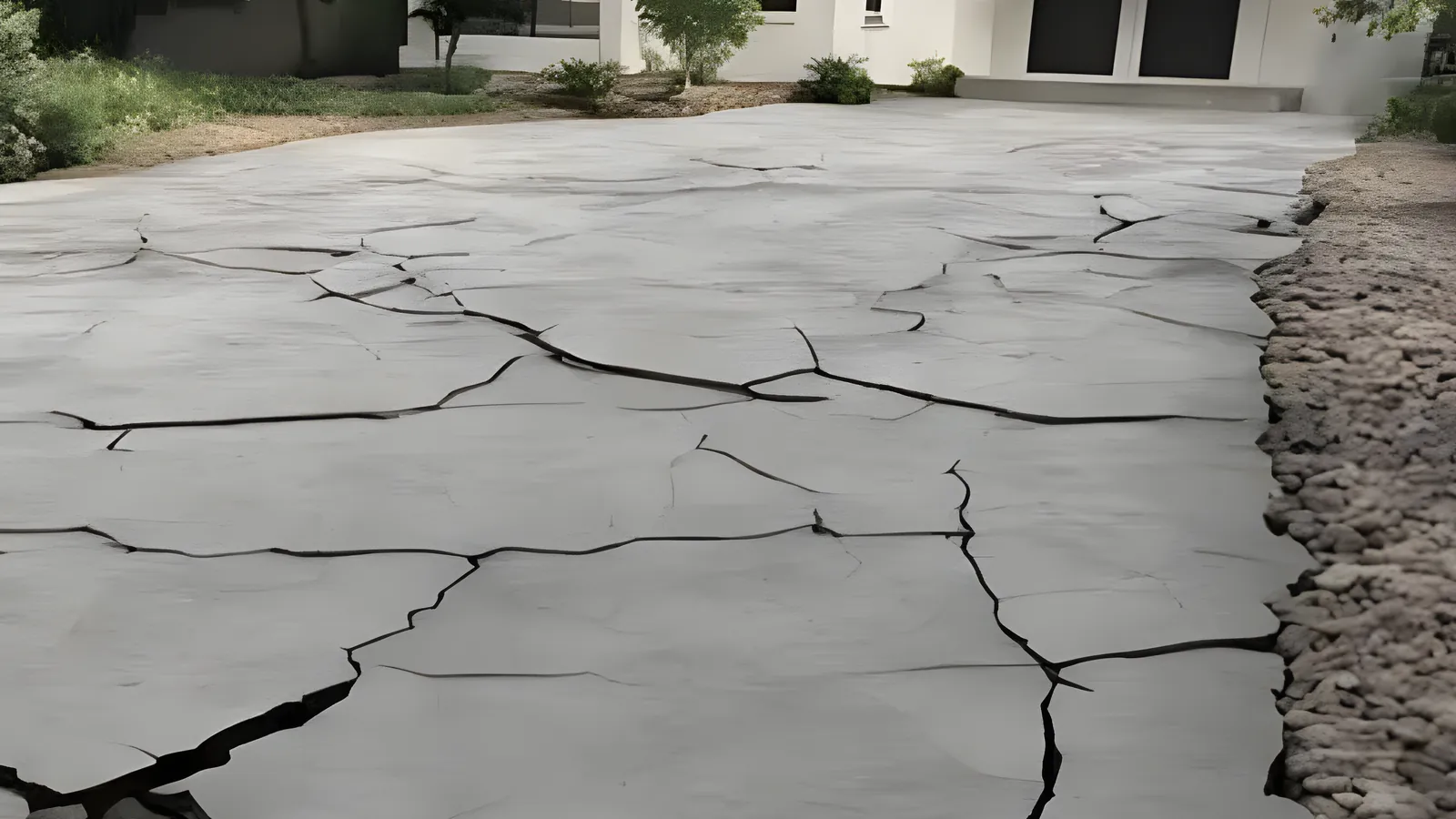
Do you find yourself avoiding the crack running across your driveway every time you pull in? Boulder Concrete Repair Co. does concrete driveway repair on cracked, chipped, and sinking driveways for homeowners throughout Boulder, Colorado, using crack injection, slab leveling, and resurfacing to fix the actual problem instead of patching the surface. Most driveways that look ready for a teardown just need the right repair method applied correctly.
A driveway takes more abuse than almost any other slab on your property. It carries every vehicle, it sees de-icing salt all winter, and it sits in the path of runoff from your roof and yard. Add a Front Range freeze-thaw cycle that can swing forty degrees in a day, and driveways are usually the first concrete on a property to show damage. We fix the damage at its source so the same crack does not reopen a year later. Driveway work is part of our full range of concrete repair services.
What Concrete Driveway Repair Involves
The right fix depends on what is wrong underneath the surface, so we start every job with a short inspection instead of a one-size-fits-all quote.
Cracks
A dormant crack, one that is not widening, usually gets routed out and sealed with a flexible material that keeps water from getting underneath. A crack that is still moving, often a sign the slab is settling unevenly, may need epoxy or polyurethane injection to bond it back into one structural piece.
Sunken Sections
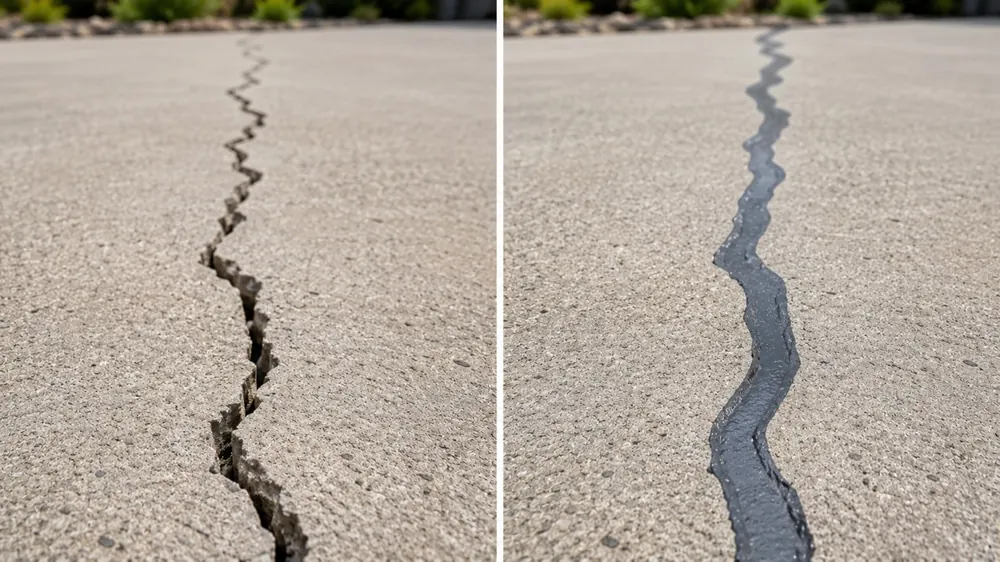
If a whole section of driveway has sunk below grade, we lift it back to level with mudjacking or foam injection rather than removing it.
Worn or Scaled Surfaces
For widespread surface damage, like scaling from de-icing salt or a network of hairline cracks, resurfacing with a bonded overlay is often the better call. It gives you a fresh, even surface without the cost or mess of tearing out the old slab. We walk you through what we are doing and why before we start.
What Concrete Driveway Repair Costs
You get a firm number after we see the driveway in person. These published figures show where most repairs land and how they compare with replacing the whole slab.
| Option | Best for | Typical cost |
|---|---|---|
| Crack sealing or injection | Single cracks in a solid slab | Quoted per crack |
| Slab leveling | A section that has sunk | $3 to $12 per sq ft |
| Resurfacing | Scaled or worn surfaces on a solid slab | $3 to $7 per sq ft |
| Remove and replace | Slabs broken up or failing everywhere | $3 to $8 per sq ft to remove, $6 to $15 to pour new |
Sources: HomeAdvisor's city page for concrete repair and resurface contractors (read November 2026). HomeGuide cost guides for concrete leveling, resurfacing, removal, and driveways (2026), which are national averages. Local quotes can run higher or lower.
What Moves the Price
- How much of the driveway is affected, versus a single crack or section
- Which method fits the damage: sealing, injection, leveling, or resurfacing
- Whether the base underneath needs work, not just the surface
- Access for equipment, especially on sloped or narrow driveways in older neighborhoods
- Whether a decorative or stamped finish is part of the repair
Repair or Replace? How to Decide
As a rule of thumb, if the damage covers less than about a third of the driveway and the slab is still sound, repair is almost always the smarter move. Cracked joints, isolated sinking, and surface scaling usually fall in that group.
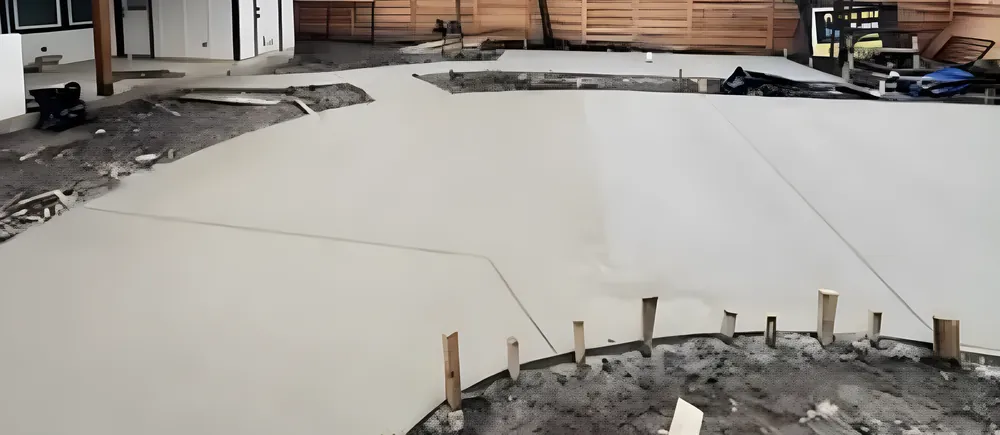
Replacement starts to make sense when damage spreads across most of the driveway, when large cracks run through the slab and not just the surface, or when patches keep failing. We give you our honest read on which side your driveway falls on, even when repair is the smaller job for us.
Protect Your Driveway From Winter Salt
Salt makes freeze-thaw damage worse, which is why driveway surfaces flake and pit first. The Illinois Ready Mixed Concrete Association's homeowner guide says a protective sealer minimizes moisture and deicing salt getting into the surface of the concrete.
Three Habits That Help
- Seal a new or freshly repaired driveway once it has cured and air dried, about one month, and before winter starts.
- Skip chemical deicers during a new driveway's first winter and use sand for traction.
- Never use deicers made with ammonium sulphate or ammonium nitrate, which attack and wear down concrete surfaces.
Ask whoever repairs your driveway which sealer fits the repair method they used.
Signs You Need Driveway Repair in Boulder
Most driveway problems give you warning signs well before they become an expensive fix. Call us if you notice any of these:
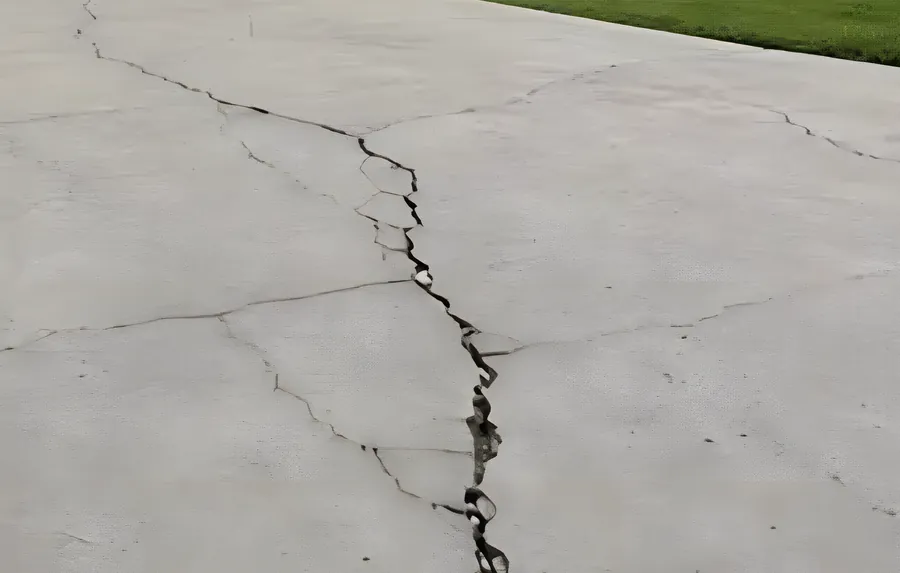
- A crack wide enough to catch a tire edge or a shovel during snow removal
- Sections that feel uneven or rock slightly under a vehicle's weight
- Flaking, pitting, or a rough, crumbling surface, usually a sign of salt or freeze-thaw scaling
- Water pooling in low spots instead of draining toward the street
- A visible dip or slope near the garage that was not there when the driveway was new
None of these mean you need a new driveway right away. Catching any of them early is usually a same-day repair instead of a multi-day replacement project.
Why Driveway Cracks and Sinking Happen Here
Boulder's freeze-thaw cycle is the biggest cause of driveway damage in this area. Water finds tiny surface cracks or porous spots, then freezes and expands, widening the opening a little more with every cold night. Over a winter, that cycle can repeat dozens of times, turning a hairline crack into something you can see from the street.
Sinking and heaving usually trace back to what is underneath the slab. A base that was not compacted well during the original pour settles unevenly, especially once water gets under it. Tree roots pushing up from below and poor drainage at the slab edge speed up the same problem. That is why a real fix addresses the base and drainage, not just the visible crack on top.
Frequently Asked Questions
How much does concrete driveway repair cost?
Local driveway repairs typically run $623 to $3,750 (HomeAdvisor). Resurfacing a two-car driveway costs about $1,200 to $2,900, and a new one costs about $2,400 to $8,600 (HomeGuide, 2026). Your written estimate gives the exact price.
How long does a typical driveway repair take?
Most crack injection and routing jobs are finished in a few hours. Leveling and resurfacing usually take a full day, and the driveway needs to cure before it can handle vehicle weight again. We walk you through that at the estimate.
Can you repair a driveway in the winter?
Some repairs, like crack sealing, can be done in colder weather as long as the concrete is not frozen or covered in snow. Resurfacing and leveling get better, longer-lasting results when temperatures stay above freezing, so we may suggest scheduling those for spring.
Will the repaired area match the rest of my driveway?
Crack repairs and patches are rarely invisible because they are a different pour than the original slab, but a good repair blends closely in color and texture. Full resurfacing gives the most uniform look since it recoats the entire surface.
Do you offer a warranty on driveway repairs?
Yes. We go over the specific warranty terms for your repair method during your free estimate, since coverage varies between crack injection, leveling, and resurfacing work.
Is a cracked driveway covered by homeowners insurance?
Typically not, since most policies treat concrete cracking as gradual wear and tear. If a specific event like a burst pipe or a falling tree caused the damage, check with your insurer. Most driveway repairs are an out-of-pocket maintenance cost.
Ready to Fix Your Driveway?
Get a free, honest estimate on your Boulder driveway repair today.