Concrete Leveling & Mudjacking in Boulder, Colorado
Lift sunken driveways, patios, and sidewalks back to grade in a few hours, no demolition and no new concrete needed.
- Typical cost. Leveling a sunken slab runs about $3 to $12 per square foot, or $700 to $5,000 for a whole project (HomeGuide, 2026).
- Two methods. Mudjacking goes in through holes 1 to 2 inches wide. Polyurethane foam goes in through holes about 5/8 inch wide (HomeGuide, 2026).
- Back in use fast. Foam cures in about 15 minutes. Most single-slab jobs take two to four hours.
- Local cause. Spring runoff and snowmelt along the Front Range can wash fine soil from under a slab, leaving a void it sinks into.
- Free estimate. We measure the void, name the method, and put the price in writing before any work begins.
- Service area. The whole city, plus Gunbarrel, Niwot, Lafayette, Louisville, Superior, Longmont, and Erie.
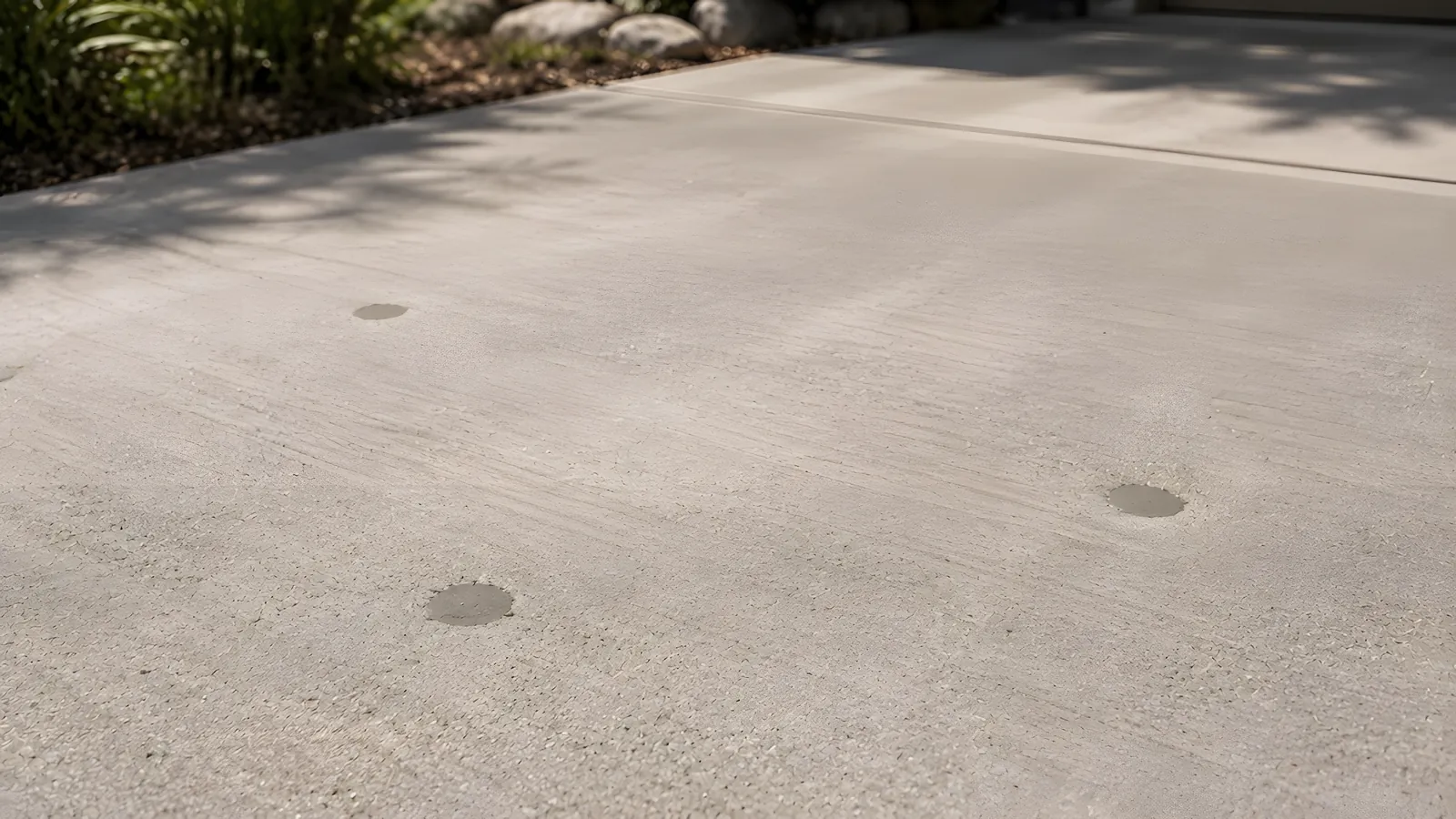
Has a section of your driveway, patio, or walkway sunk enough that you notice it every time you walk over it? Boulder Concrete Repair Co. does concrete leveling for homeowners throughout Boulder, Colorado, using mudjacking or polyurethane foam injection to lift the slab back to its original grade in a matter of hours. There is no need to demolish and repour a slab just because it has dropped a couple of inches.
Concrete leveling works because sunken concrete is almost always a soil problem, not a concrete problem. The slab is usually still solid, but it is resting on ground that has settled, washed out, or developed a void. Instead of replacing good concrete, we fill the void and lift the slab back to where it belongs. It is faster, less disruptive, and cheaper than a full replacement. Leveling is one part of our full range of concrete repair services.
What Concrete Leveling Involves
We offer two lifting methods. Which one we recommend depends on the slab, the soil, and your budget.
Mudjacking
The traditional method pumps a thick slurry of soil, sand, and cement through drilled holes to fill the void and lift the slab. It is a proven, cost-effective method that has been used for decades. The mix is heavy, so the holes run 1 to 2 inches wide.
Polyurethane Foam Injection
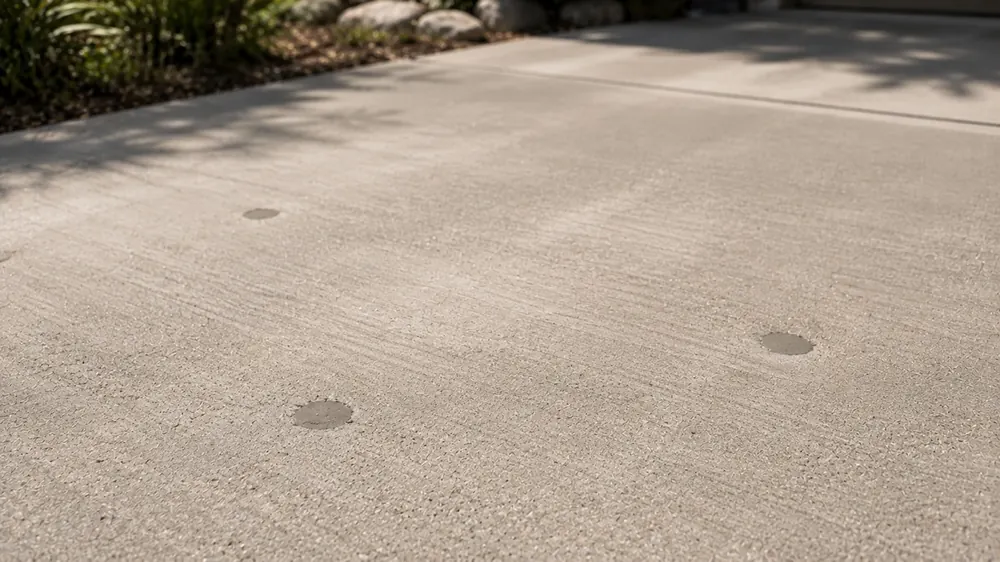
A lightweight expanding foam goes in through holes about 5/8 inch wide and cures within minutes. It will not wash out or settle the way a soil-based slurry sometimes can over the years, which makes it a strong fit for wet or poorly draining ground.
Both methods typically take just a few hours per slab, and you can usually walk or drive on the concrete again the same day. We check the size of the void, the soil, and how the slab is used before we recommend a method.
What Concrete Leveling Costs
Your firm price comes after we inspect the slab and estimate the void. These published figures give you a starting point.
| Method | Typical cost | Best for |
|---|---|---|
| Mudjacking | $4 to $9 per sq ft | Moderate lifts where the look of the holes matters less |
| Stone slurry grout | $6 to $15 per sq ft | Driveways and medium loads |
| Polyurethane foam | $8 to $25 per sq ft | Poor soil, heavy slabs, and quick turnaround |
Sources: HomeGuide, concrete leveling cost guide (2026), national averages. HomeAdvisor's city page for concrete repair and resurface contractors (read November 2026). Local quotes can run higher or lower.
What Affects Your Price
- The size of the slab and how far it needs to be lifted
- Whether mudjacking or polyurethane foam is the better fit
- How many separate slabs or sections need leveling in one visit
- Ground and drainage conditions on your property
- Access to the slab for the leveling equipment
Leveling vs. Replacing a Driveway: What the Numbers Say
Leveling a driveway that has sunk usually costs well under what it takes to tear it out and pour a new one. HomeGuide puts removing a driveway at $1,200 to $4,500, and a new two-car concrete driveway at $2,400 to $8,600. Together that is roughly $3,600 to $13,100, before any permit or landscaping repair.
Leveling the same driveway sits inside the $700 to $5,000 range for whole projects. If the slab is still solid, leveling keeps that money in your pocket. If it is cracked into pieces, we tell you so, because leveling cannot fix concrete that has already broken apart.
Questions to Ask Any Leveling Contractor
- Which method do you recommend for my slab, and why?
- How wide will the injection holes be, and how are they patched?
- What caused the slab to sink, and will you fix that cause too?
- How long until I can walk or drive on it?
- What does the written warranty cover, if there is one?
Signs You Need Concrete Leveling in Boulder
Concrete leveling is worth calling about if you notice:
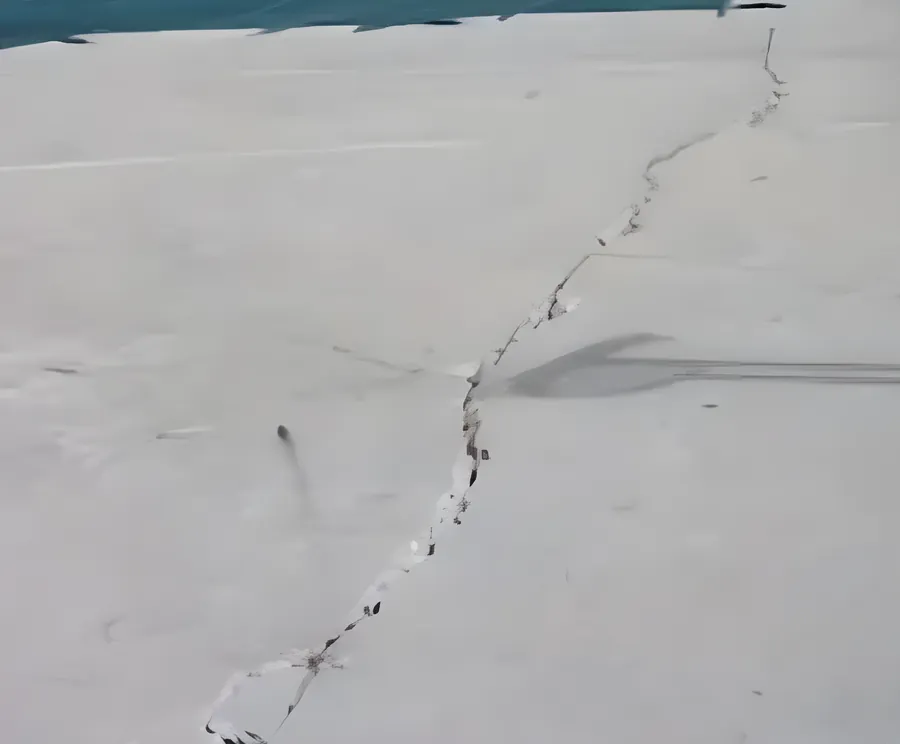
- A driveway, patio, or sidewalk section that has visibly dropped compared to the slabs around it
- A trip hazard where two slabs meet at different heights
- Water pooling in a spot that used to drain fine
- Gaps opening up between a slab and your garage floor, porch, or foundation
- A slab that rocks or wobbles slightly when you step or drive on it
If the slab itself is not cracked or broken, leveling alone is often all it needs.
Why Concrete Sinks and Settles Here
Most sunken concrete traces back to the soil under it when it was poured. If that soil was not compacted well, it settles under the weight of the slab over the following years. Heavy spring runoff and sudden snowmelt, both common along the Front Range, can also wash fine soil out from under a slab and leave a void for the concrete to sink into.
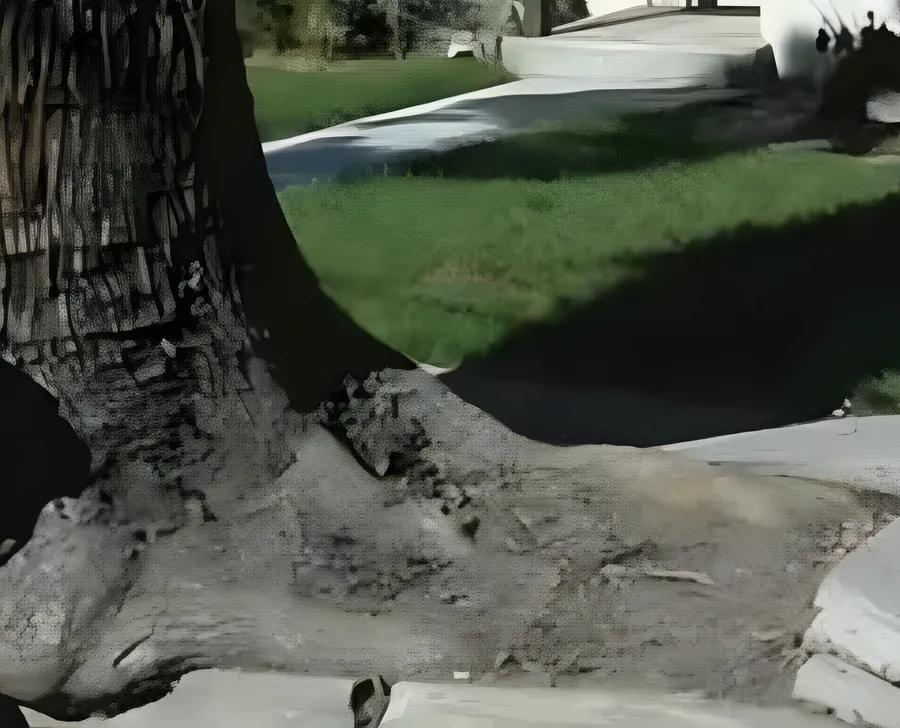
Poor drainage makes it worse. Water that collects at the edge of a driveway or patio works its way underneath over time, softening the soil and speeding up settling. Tree roots can have the opposite effect, pushing a slab up from below, which is why leveling sometimes has to deal with a sunken section and a heaved one on the same job.
Repair or Replace? How to Decide
Leveling makes sense whenever the slab is still in good structural condition and the only problem is that it has sunk or shifted. That covers most of the sunken concrete we see.
Replacement becomes the right call when the slab is badly cracked or broken into pieces, since leveling cannot fix fractured concrete. It also makes sense to replace a slab that has sunk again and again in the same spot despite earlier lifting, because that usually points to a drainage problem that must be corrected before new concrete goes in.
Frequently Asked Questions
How much does concrete leveling cost?
Leveling runs about $3 to $12 per square foot, and whole projects typically land between $700 and $5,000 (HomeGuide, 2026). Mudjacking sits at the lower end and polyurethane foam at the higher end. Your written estimate gives the exact price for your slab.
What is the difference between mudjacking and polyurethane foam lifting?
Mudjacking uses a heavier soil-based slurry through larger holes and generally costs less upfront. Foam uses a lightweight, fast-curing material through smaller holes and tends to hold up longer because it will not wash out. We recommend the better fit for your slab and budget.
How long does concrete leveling take?
Most single-slab jobs are done in two to four hours. Foam cures within about fifteen minutes, so you can use the surface almost right away. Mudjacking needs a bit longer to fully set.
Will leveling fix cracks in the slab too?
Leveling fixes height and grade, not cracking. If your slab has cracks as well as a sunken section, we usually level first and then seal or inject the cracks as a separate step in the same visit.
Is concrete leveling permanent?
Both methods last a long time when the underlying drainage problem is fixed. Foam tends to hold longer in wet or poorly draining soil because it will not break down over years of moisture the way a slurry can.
Can you level a garage floor slab too?
Yes. Both methods work on interior garage floor slabs as well as driveways, patios, and sidewalks, as long as we can reach the slab to drill the small injection holes.
Ready to Level Your Concrete?
Get a free, honest estimate on concrete leveling in Boulder today.