Foundation Crack Repair in Boulder, Colorado
Crack injection for poured foundation walls and basement slabs, with straight advice on when to call an engineer first.
- Typical cost. Non-structural cracks run $250 to $800+ per crack to repair (HomeGuide, 2026).
- Methods. Epoxy or polyurethane injection for cracks in poured foundation walls and basement slabs.
- When it is structural. Horizontal or stair-step cracks can cost $1,000 to $30,000+ and need an engineer first (HomeGuide, 2026).
- Local soil. Colorado Geological Survey calls expansive soil the state's most significant geologic hazard.
- Free estimate. A technician looks at the crack and tells you in writing whether injection will work or you need an engineer.
- Service area. The whole city, plus Gunbarrel, Niwot, Lafayette, Louisville, Superior, Longmont, and Erie.
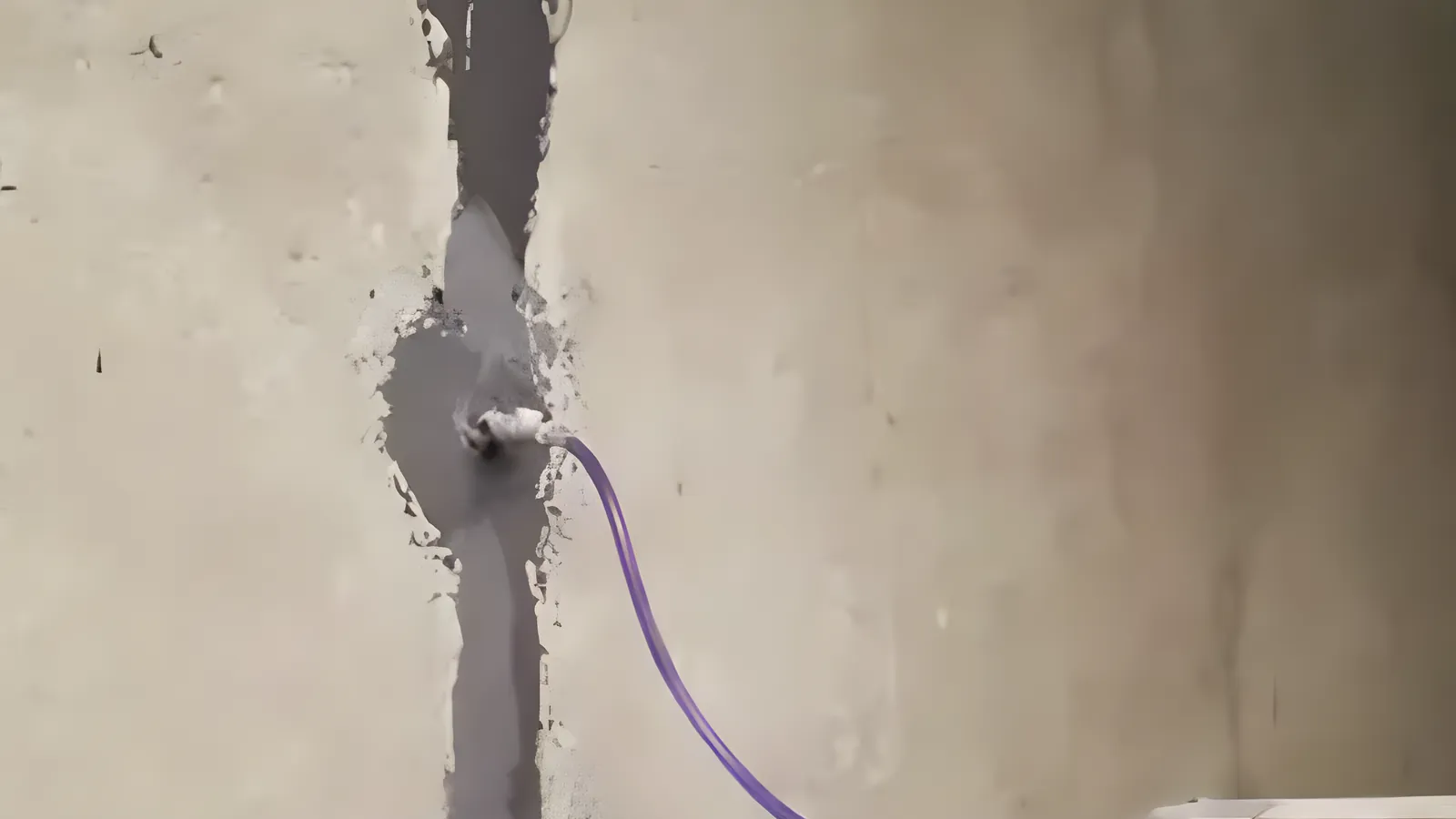
Found a crack in your basement wall or slab? Boulder Concrete Repair Co. handles foundation crack repair in poured concrete foundation walls and basement floors for homeowners throughout Boulder, Colorado, injecting the crack to seal out water and, where it suits, bond the concrete back together.
We stick to crack injection, and we are upfront about its limits. Piers, underpinning, and wall bracing are engineering jobs we do not do. If your crack looks structural, we say so and point you to a structural engineer before you spend money on the wrong fix. Foundation work sits alongside the rest of our concrete repair services.
What Foundation Crack Repair Involves
Most cracks in poured foundations can be sealed from the inside in a single visit. The steps are the same for walls and basement slabs.
- Inspect and mark. We look at the crack's direction, width, and whether it leaks or has moved, and tell you if injection fits.
- Clean and seal the face. We clear the crack and seal its surface, leaving small ports along its length.
- Inject. Resin goes in through the ports until it fills the crack from one end to the other.
- Cure and finish. Once the resin sets, we remove the ports and grind the surface smooth.
Epoxy or Polyurethane
HomeGuide notes that non-structural crack repair often means injecting an epoxy or polyurethane mixture. Epoxy is rigid and bonds the two sides of a crack together. Polyurethane stays flexible and is the usual choice when the goal is to stop a leak. We pick one at your estimate based on what the crack is doing.
What Foundation Crack Repair Costs
You get a firm written price after we see the crack. These published figures show how much the type of crack changes the bill.
| Crack type | What it means | Typical cost |
|---|---|---|
| Hairline | Usually normal settling, sealed to keep water out | $250 to $800+ per crack |
| Vertical or diagonal | Common in poured foundations, needs sealing against water | $250 to $800+ per crack |
| Horizontal or stair-step | Often a sign of soil pressure or wall failure | $1,000 to $30,000+, engineer first |
Source: HomeGuide foundation crack cost guide (2026), which gives national averages. Local quotes can run higher or lower.
What Moves the Price
- The number of cracks and how long each one runs
- Whether the crack is dry, damp, or actively leaking
- Whether it is in a wall or a basement slab
- How easy the crack is to reach inside the basement
- Whether outside drainage needs attention so the crack does not return
When a Foundation Crack Is Structural: Call an Engineer First
HomeGuide says horizontal cracks signal serious foundation problems that need immediate attention, often pointing to soil pressure or wall failure, and stair-step cracks in block foundations often point to the same. Injection seals a crack. It does not stop the force that made it.
Signs Worth an Engineer's Look
- A horizontal crack running along a basement wall
- A stair-step crack following the mortar joints in a block wall
- A crack that is growing, or has one side sitting higher than the other
- A wall that bows inward, or doors and windows that stick for the first time
If you see any of these, call a structural engineer before you call us. Once the engineer has found the cause and fixed it, we can inject the cracks that are left. We would rather lose a job than seal over a problem that keeps moving.
Signs Your Foundation Crack Needs Attention in Boulder
Most foundation cracks we see are the small, stable kind. Reach out if you notice any of these:
- A vertical or diagonal crack in a basement wall
- Water, damp patches, or white mineral stains along a crack
- A crack across the basement floor slab
- A hairline crack that has been there for years and now looks wider
- A musty smell that gets stronger after rain or snowmelt
A crack that is only just starting to seep is a small, inexpensive job. The same crack after years of water getting in can mean mold and damaged finishes.
Why Foundations Crack Here
The Colorado Geological Survey calls expansive soil Colorado's most significant geologic hazard. Clay-rich soils and soft bedrock can swell by up to 20% by volume when they get wet and press with a force of up to 30,000 pounds per square foot. That movement can crack driveways, basement floors, and foundation walls.
Boulder's freeze-thaw cycles add to it. Water in the soil freezes, expands, and pushes on the wall, then drains away and lets the soil settle back. Older homes near downtown and University Hill have had decades of that. A geotechnical engineer can tell you whether your lot has swelling soil.
Frequently Asked Questions
How much does foundation crack repair cost?
Non-structural cracks run $250 to $800 or more per crack, while structural repairs run from $1,000 to $30,000 or more (HomeGuide, 2026). Your written estimate gives the exact price for your crack.
Will injecting a crack stop my basement from leaking?
For a stable crack, usually yes. Polyurethane injection is the usual choice for leaks. If water keeps coming in from outside, we also look at drainage next to the wall.
Can injection fix a structural crack?
No. A horizontal or stair-step crack means something is pushing on the wall, and sealing it does not remove that force. A structural engineer should find the cause first.
How long does crack injection take?
Most single cracks take a few hours, with the resin curing afterward. We confirm the timing at your estimate.
Can a crack come back after it is repaired?
A sealed crack can reopen if the soil or wall keeps moving. That is why we check the cause and drainage first, and tell you if a crack is likely to keep moving.
Do you install piers or underpin foundations?
No. We repair cracks by injection. Piers, underpinning, and wall bracing are structural work for a specialist contractor under an engineer's plan.
Found a Crack in Your Foundation?
Get a free, honest estimate on foundation crack repair in Boulder today.